The platform
Five reaction devices, designed by The Mover Lab, across two hubs — the Cognition Hub and the Psychomotor Hub. The same hardware that screens also trains, so every session produces objective, comparable data.
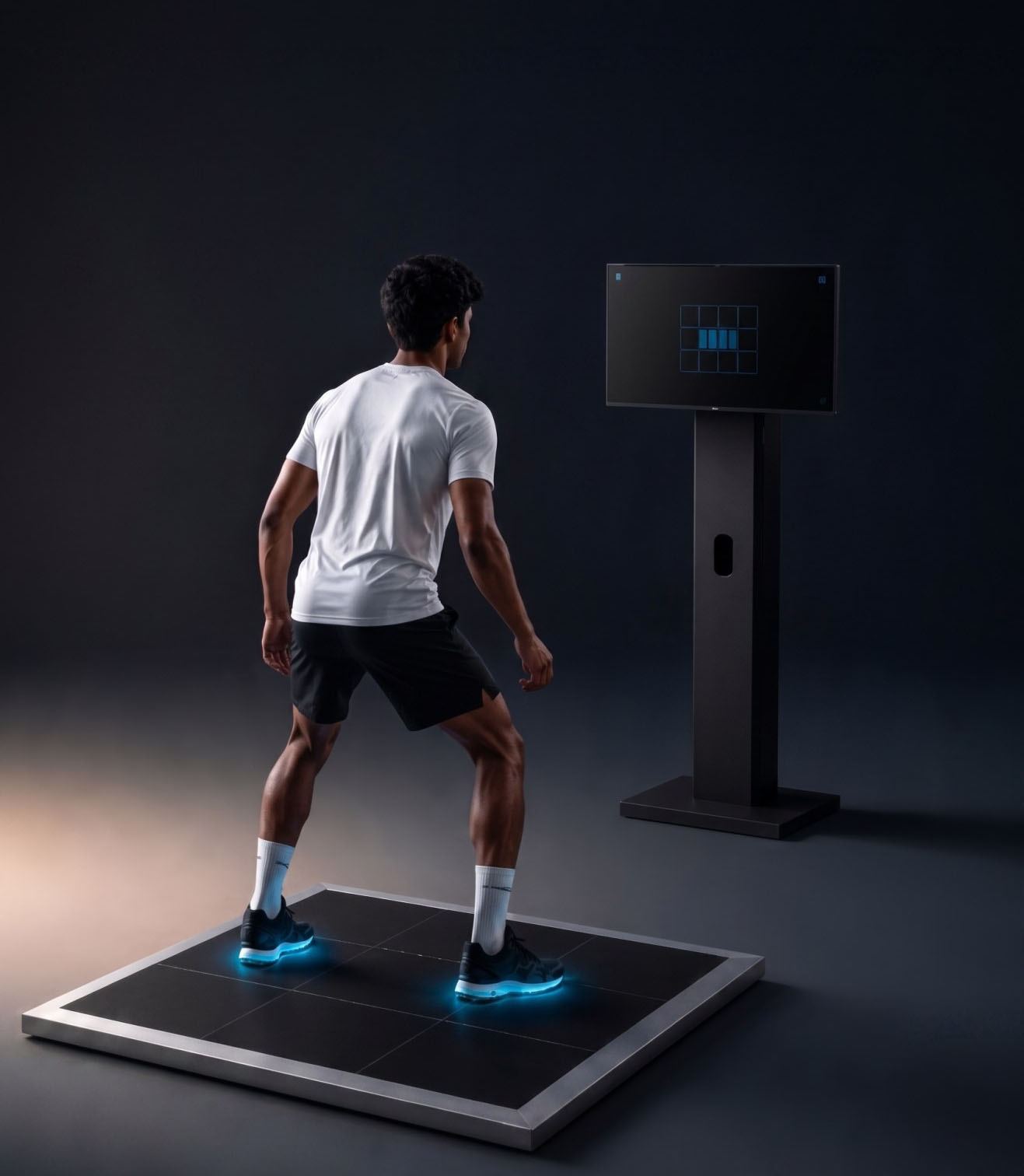
TML's instrumented reactive floor, where thinking and moving happen together. The user watches for cues on a screen and responds by stepping to the right spot on the floor, and the system records every response with precise timing. Activities draw on attention, working memory, inhibition, cognitive flexibility and processing speed, so each step is a decision as well as a movement.
nBASE is the Cognition Hub station and TML's assessment unit: it screens cognitive-motor foundations and trains them too. It produces objective, comparable performance data rather than observer ratings, so progress can be measured over time.
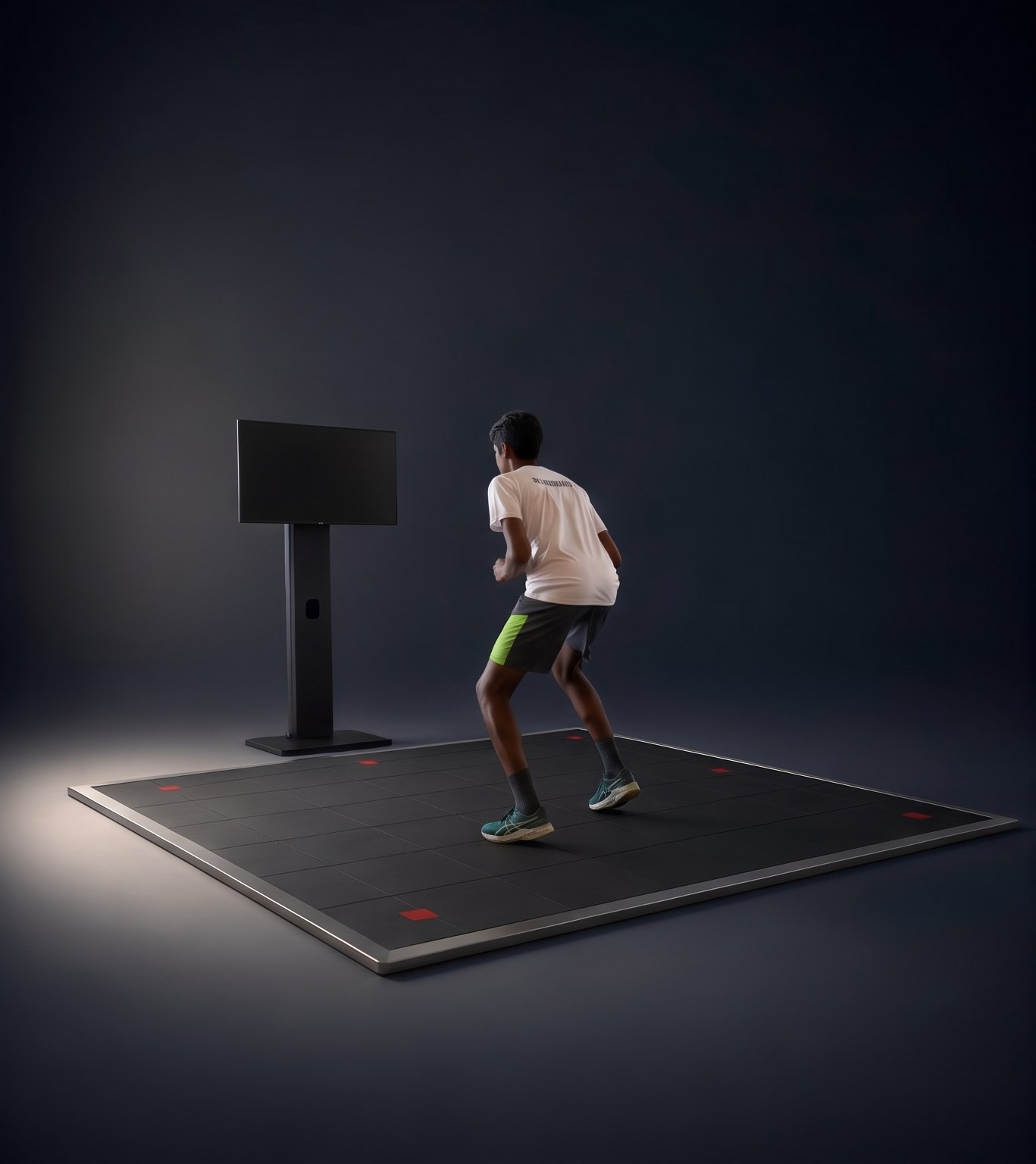
An instrumented court and ladder with eight perimeter targets. Its sensor-based floor reads foot reactions, footwork and movement decisions. Users react to stimuli by moving to the correct target — some tasks are simple movement-only runs; others add a cognitive load, such as choosing between targets or holding back a wrong response.
That lets nCOURT train how fast a person can see, decide and travel, not just how fast they step. It suits schoolchildren, athletes and fitness users, building footwork, first-step quickness and decision-making under movement.
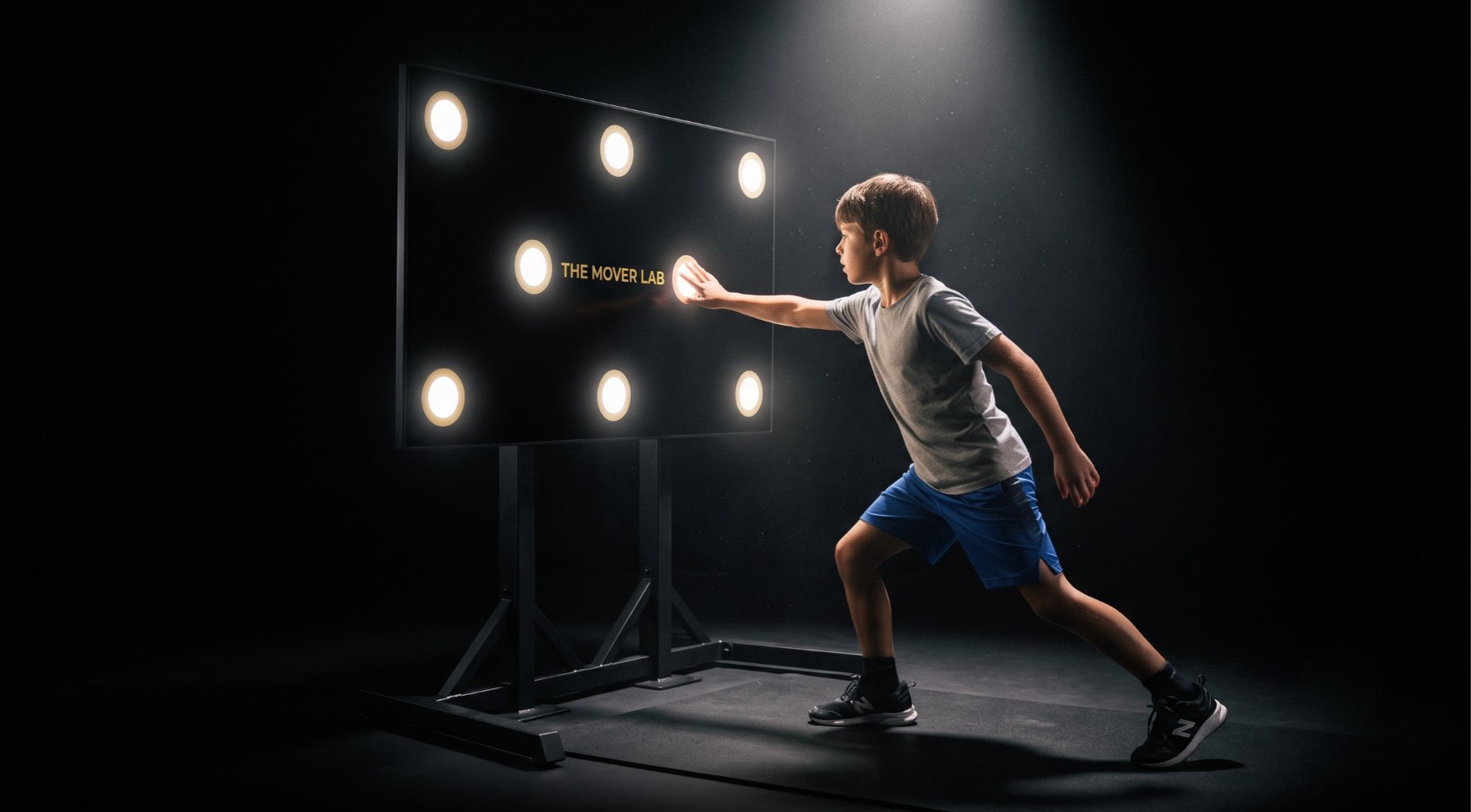
An eight-light wall board for reaching, scanning and upper-body reaction across the visual field. Its lights are spread wide, so users must search, locate and strike targets, including those toward the edges of vision. This draws on visual scanning, peripheral awareness, eye–hand coordination and trunk stability while the arms move quickly.
Tasks range from simple light-hit drills to rule-based and memory activities such as Field Mapping, which tests visuospatial memory. nBOARD helps users see more of their surroundings and respond accurately with the upper body.
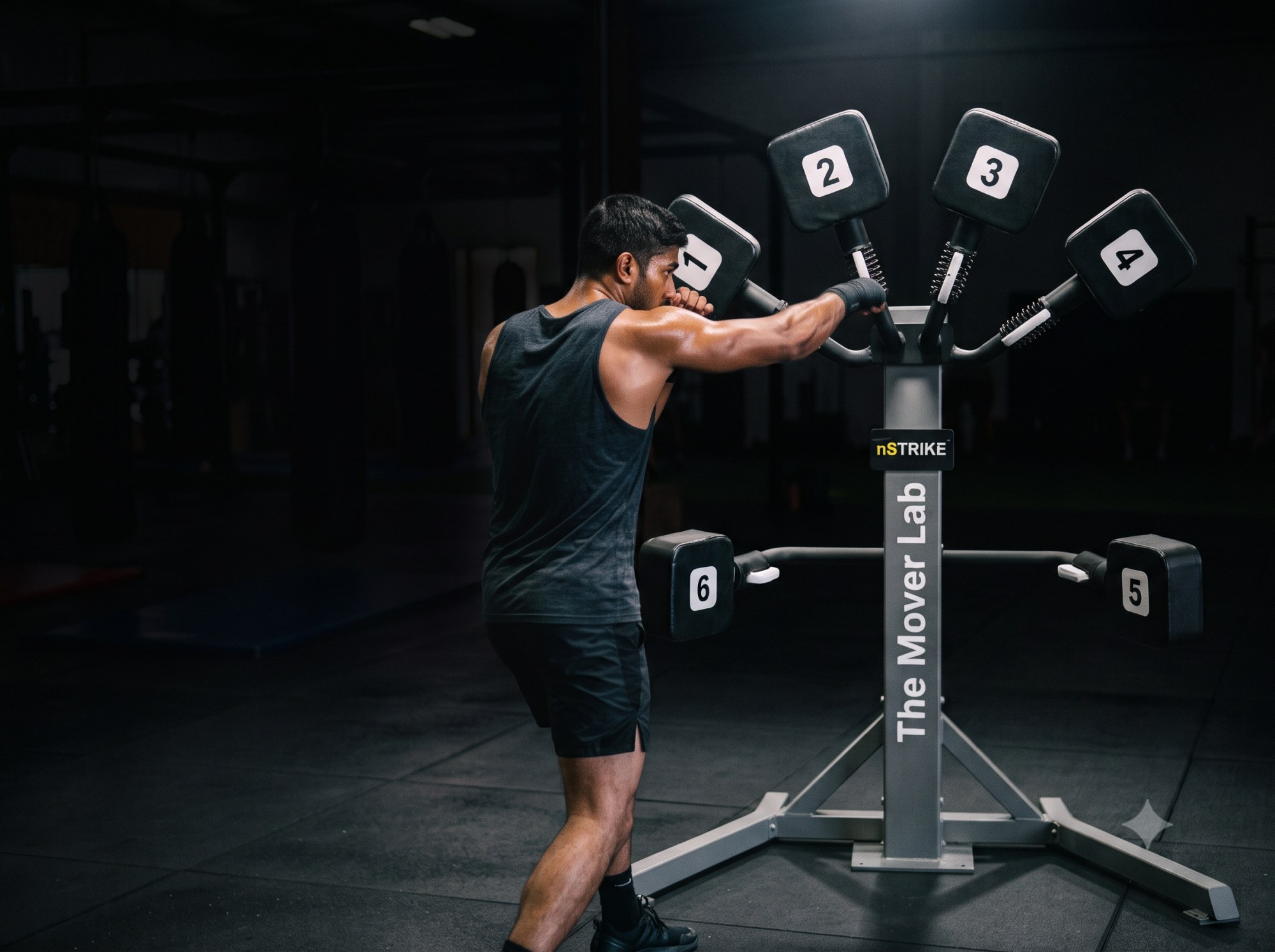
Punch-reaction targets placed side by side to test and train both hands. Users strike the correct target when cued, and the system times each response. Because both sides are measured, nSTRIKE shows how quickly and accurately each hand reacts, and how well the two work together.
Drills can add rules such as same-side, opposite-side or sequence strikes, bringing coordination, timing and response control into play alongside raw speed. Its energetic, high-intent format makes nSTRIKE especially relevant for sport, combat and fitness settings.
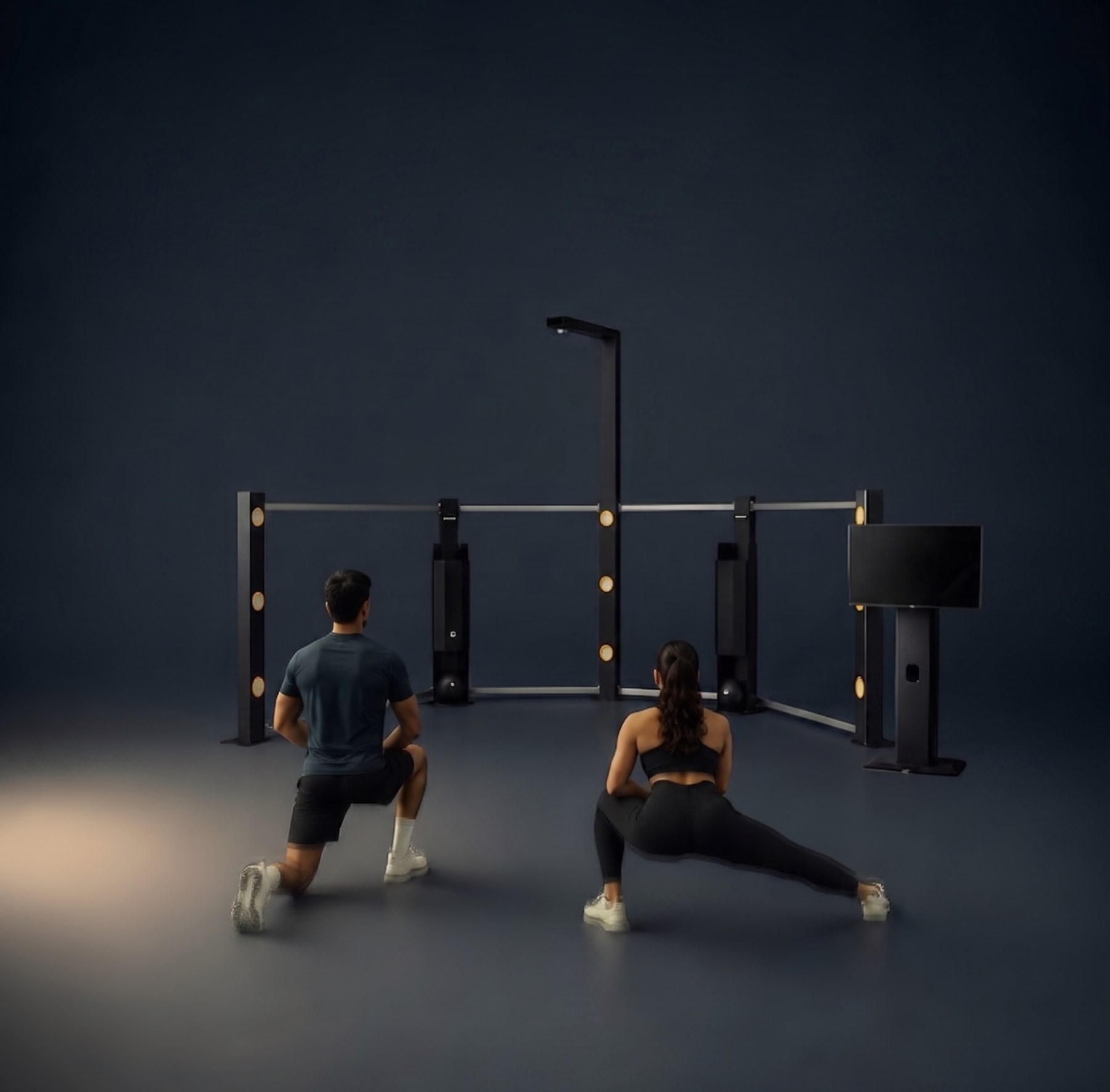
Open-field agility equipment built to develop quick changes of direction and explosive movement. Unlike the contained stations, it uses open space, asking users to accelerate, stop, turn and drive again. Drills can follow planned patterns to build technique, or react to unpredictable cues so users must read, decide and move in the moment, much as in real sport.
Repeated short bursts build the ability to produce force quickly and stay controlled while changing direction. nFIELD suits sport academies, schools and fitness programmes.
Book an orientation and we'll demonstrate the hubs, the data and a CORE-5 session built for your floor.
Book an orientation THE MOVER